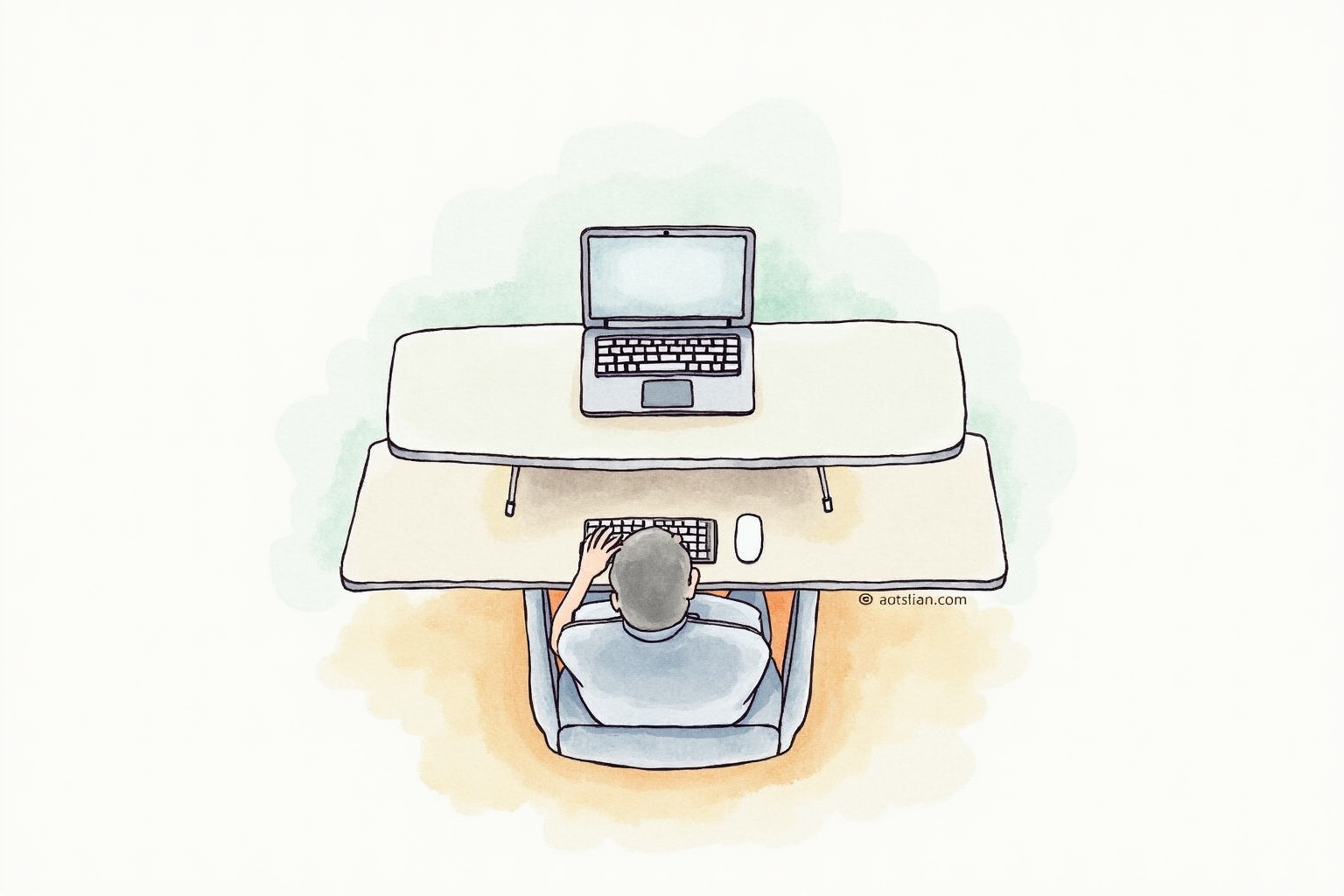
The standing desk converter is the practical alternative to buying a full standing desk. For $200-450, you transform any existing desk into a sit/stand workstation. After 18 months testing FlexiSpot, Varidesk, and budget alternatives, here’s the honest assessment of when converters deliver and which models earn their cost.
Why Converters Make Sense
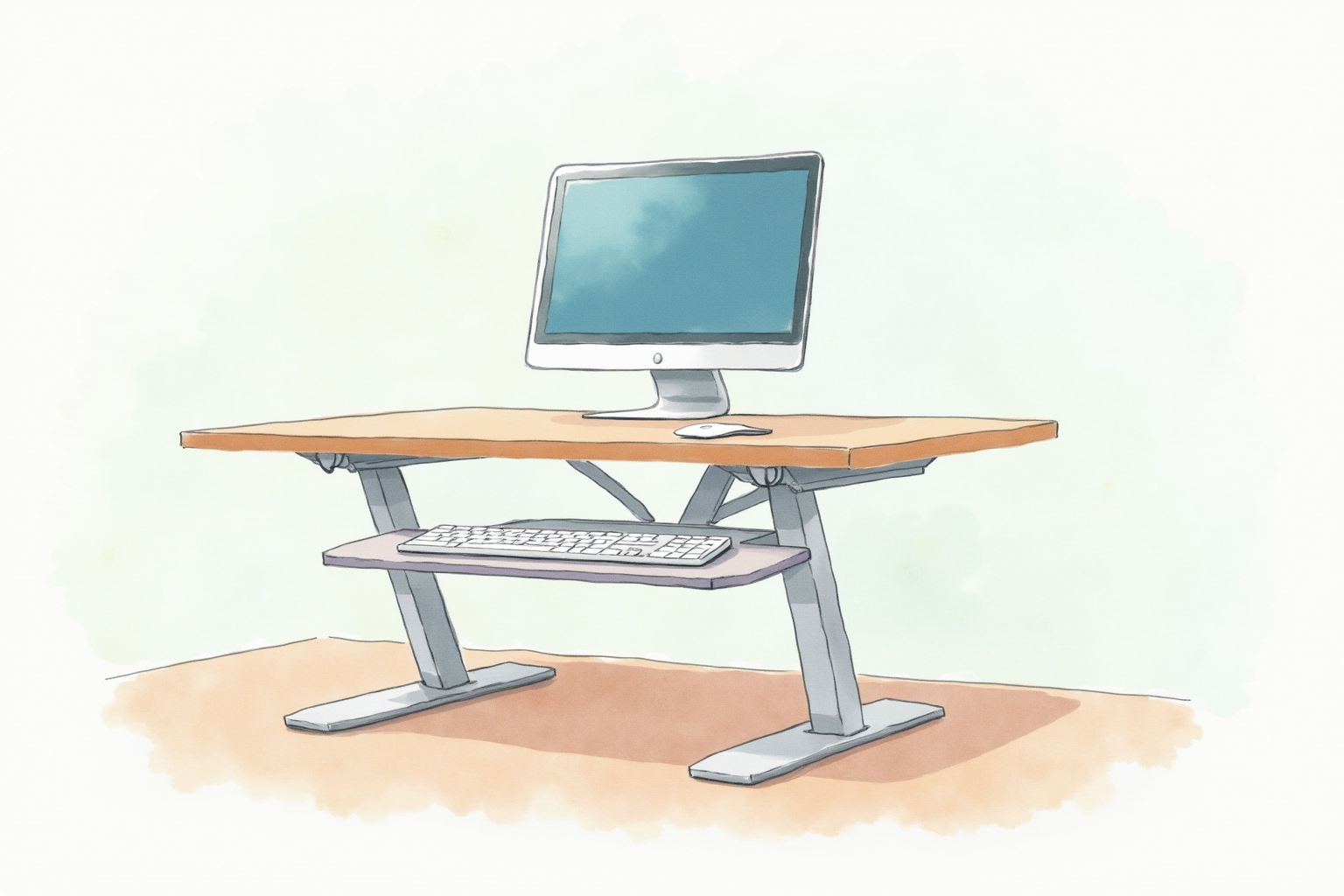
Cost: $200-450 vs $400-1200 for full standing desks.
No furniture replacement: Sits on existing desk. Move it when you move.
Reversibility: Lower it for sitting, raise it for standing. Same workspace serves both modes.
Footprint: 24x36 inch typical. Fits on any standard desk surface.
Quick setup: Out of box to working in 10 minutes (just place on desk).
The downside: workspace area smaller than full standing desk surface. Most converters provide 24-36 inches of width.
The Major Players
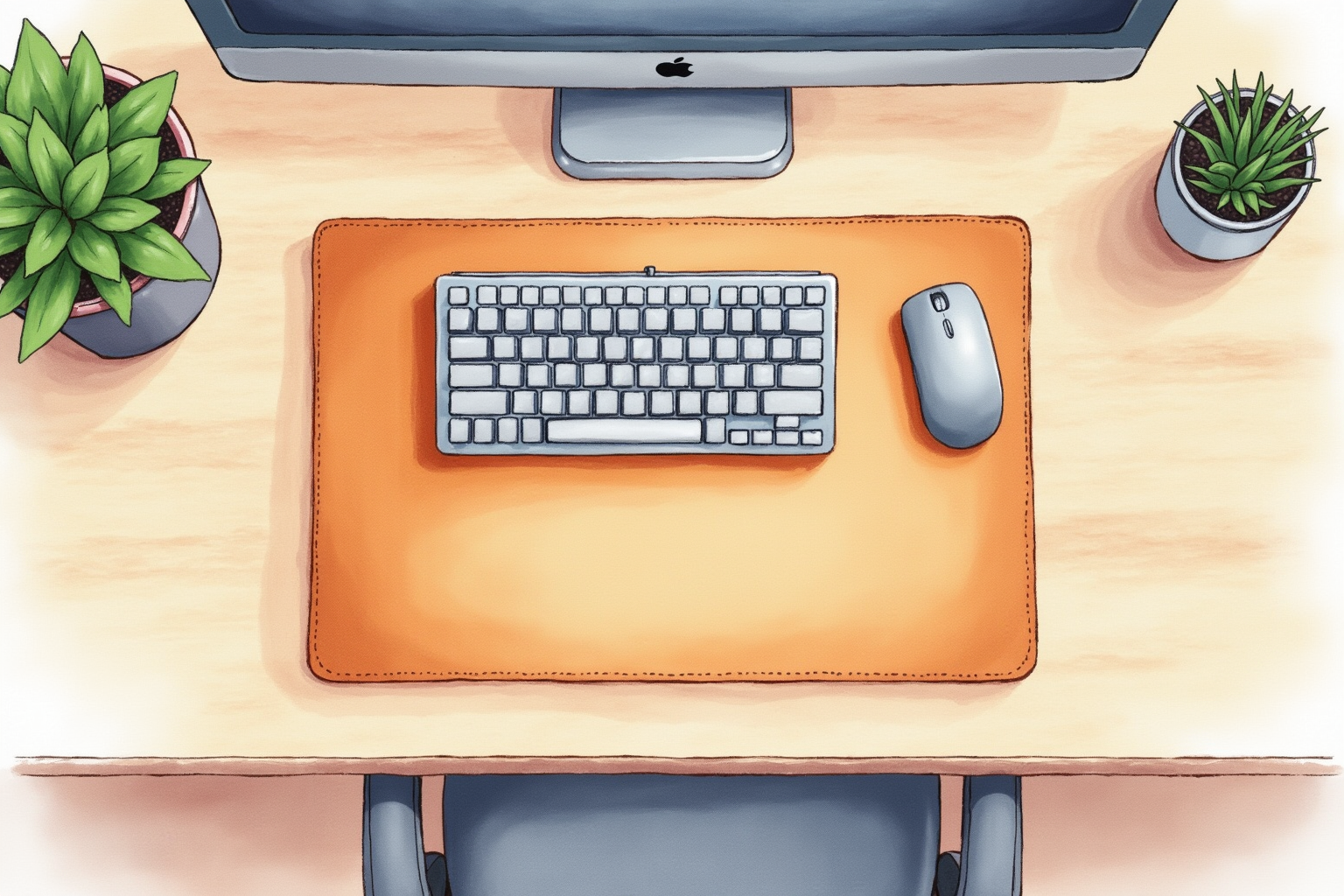
FlexiSpot M7B ($200-280): Best value. Smooth gas-spring lift, X-frame stability, 35-pound monitor capacity. The dominant home office pick.
Varidesk Pro Plus 36 ($395-450): Industry standard. Instant height lock, premium build, 14 height positions. Commercial-grade.
Mount-It Standing Desk Converter ($120-180): Budget option. Adequate quality for occasional use.
WorkEZ Best ($250-320): Mid-tier. Independent monitor + keyboard tray heights.
For most home offices: FlexiSpot M7B is the dominant pick. Premium goes to Varidesk for commercial environments.
Health Benefits Reality
The research is nuanced:
Documented benefits: Reduced sedentary time, improved energy levels, lower back pain in some studies, reduced afternoon fatigue.
Less clear: Direct cardiovascular improvement, weight loss claims, long-term metabolic effects.
Mayo Clinic: Standing 2-4 hours daily breaks up sedentary patterns. Whole-body movement matters more than just standing.
Cornell Ergonomics: Standing >4 hours daily creates its own problems (lower back, foot pain).
For most users: converter provides genuine benefit if used 1-3 hours daily and combined with regular walking breaks.
Lift Mechanisms
Three main approaches:
Gas-spring: FlexiSpot M7B. Pneumatic assist makes lifting effortless. Smooth, easy adjustment.
Mechanical levers: Some budget options. Manual handle-pump to raise. More effort required.
Electric motor: Premium converters (some Varidesk models). Push button raises/lowers. Smoothest but most expensive.
For most users: gas-spring (FlexiSpot M7B) is the sweet spot. Mechanical is acceptable for budget. Electric pays back only for users adjusting many times daily.
FlexiSpot M7B Standing Desk Converter
Price · $200-280 — best value standing desk converter with gas-spring lift
+ Pros
- · Gas-spring assist makes raising effortless one-handed
- · X-frame design provides solid stability at standing height
- · 35 lb monitor capacity supports 27 inch and 32 inch displays
− Cons
- · Standing height max 16.5 inch may not suit very tall users (6'4+)
- · Workspace narrower than full standing desks (35 inches)
- · Requires sturdy base desk - shaky desks transfer wobble
Price, availability, and ratings can change; verify details on the retailer page before buying.
Monitor Capacity
Critical specification:
Standard converters: 35-pound monitor capacity (FlexiSpot M7B). Supports 27” 4K monitors.
Heavy-duty converters: 50+ pound capacity. Supports 32-49” monitors or dual-monitor setups.
Single-monitor budget: 25-pound capacity. Adequate for 24” 1080p.
For dual-monitor setups: check converter specifically supports dual mounting. Many converters support only single monitor.
For ultrawide curved monitors: weight is the constraint. Verify converter rated for monitor weight.
Workspace Dimensions
Compare carefully:
FlexiSpot M7B: 35x23 inch workspace. Adequate for single monitor + keyboard + mouse.
Varidesk Pro Plus 36: 36x29 inch workspace. Wider keyboard area.
Mount-It: 30x20 inch. Tighter fit.
For minimal setup (laptop only or single monitor + keyboard): smaller converters adequate. For full setup (dual monitor + keyboard + notebook): wider converters needed.
Stability at Standing Height
The most-overlooked feature:
Cheap converters wobble noticeably when typing at standing height. The wobble grows over months as components loosen.
Quality converters use:
X-frame design: FlexiSpot. Bottom legs cross for triangulation. Excellent stability.
Pneumatic posts: Multiple lifting columns provide redundant support.
Heavy base: Some converters weigh 50+ lbs for stability via mass.
Test before buying if possible: type quickly at full standing height. Wobble >1 cm side-to-side is unacceptable.
Keyboard Tray Considerations
Two designs:
Same height as monitor surface: Simpler, all on one platform. Monitor + keyboard rise together.
Separate lower tray: Keyboard tray hangs below monitor surface. Ergonomically superior (keyboard 4-6 inches below monitor screen).
For ergonomic users: separate tray (WorkEZ Best, Varidesk Pro Plus 36) optimizes both monitor + keyboard heights. For simplicity: same-height platform works fine.
Anti-Fatigue Mat Requirement
Mandatory accessory for standing desk users:
Cost: $30-80 Function: Cushions feet from hard floor pressure, encourages micro-movements Without it: Most users abandon standing desk within 2-3 weeks due to foot pain With it: Comfortable 1-2+ hour standing sessions become sustainable
Recommended: ErgoFlooring, Sky Mat, Imprint Comfort Mat. All $30-80 in 0.75-1 inch thickness.
For users who plan to ignore this: skip the standing desk converter entirely. Without mat, hours of standing causes more pain than sitting.
Height Range Verification
Critical for tall and short users:
Standing height when raised should put your bent elbows level with keyboard.
Sitting height when lowered should match your desk height (no awkward step-down).
Tall users (6’2”+): verify max standing height. Some converters cap at 16-17 inches above desk surface = inadequate for tall users.
Short users (under 5’4”): converters often have minimum height requirement. Combined with standard desk height, may not lower far enough.
Measure your elbow-to-floor when standing. Add 1-2 inches for proper keyboard height. Compare to desk + converter standing height.
Sitting Mode Comfort
When lowered for sitting:
Best: Converter sits flush on desk, indistinguishable from regular desk surface.
Mediocre: Converter creates 1-2 inch ridge between converter and desk. Awkward but workable.
Worst: Converter doesn’t fully lower, forcing you to sit with arms elevated.
For users who’ll sit 60-70% of time: prioritize models with proper sitting mode (FlexiSpot M7B excels here). Most converters now handle this well, but older models had this problem.
Varidesk Pro Plus 36
Price · $395-450 — commercial-grade standing desk converter
+ Pros
- · Premium build quality with 14 instant height positions
- · Spring-loaded levers raise platform smoothly
- · Industry standard in commercial offices for 10+ years
− Cons
- · Premium pricing vs FlexiSpot equivalent
- · Heavier than budget converters (45 lbs)
- · Same workspace size as FlexiSpot for double the cost
Price, availability, and ratings can change; verify details on the retailer page before buying.
Cable Management
Standing desk converters create cable management challenges:
When raised: cables stretch from desk to elevated monitor. Often pull tight, look messy.
When lowered: cables coil up between converter and desk. Tangle.
Solutions:
Cable management arm: Some converters include built-in cable channel.
Velcro strap bundles: Group cables, attach to converter back.
Power strip on converter: Mount strip on converter back. Cables stay short.
For clean appearance: invest 30 minutes in cable management. Without it, converter looks messy when raised.
Workflow Integration
Best practices:
Morning: Start sitting for focused deep work.
Mid-morning: Stand for 30-45 minutes during emails, meetings, or routine tasks.
Lunch: Walk for 15-30 minutes.
Afternoon: Alternate 30 sit / 30 stand.
End of day: Lower for sit-down wind-down period.
Many users find standing during calls and email/admin tasks works well (energy boost). Sitting for deep coding/writing maintains focus.
Common Pitfalls
Standing too long initially: Foot and back fatigue. Start with 15-30 minute sessions, gradually increase.
Skipping anti-fatigue mat: Major mistake. Always pair converter with mat.
Wrong height: If keyboard height wrong, posture suffers. Adjust to elbows at 90 degrees.
Cheap converter on shaky desk: Wobble multiplies. Either upgrade converter or stabilize desk first.
Monitor at wrong height in standing: Use VESA arm on converter to maintain eye-level monitor in both modes.
Bottom Line — Pick Your Use Case
For most home offices — FlexiSpot M7B at $200-280. Best balance of cost, stability, and workspace. The default pick for converter shoppers.
For commercial-grade quality — Varidesk Pro Plus 36 at $395-450. Premium build, instant height-lock, 10+ year lifespan. Worth premium for heavy daily use.
For budget — Mount-It Standing Desk Converter at $120-180. Adequate for occasional use. Less stable than FlexiSpot but functional.
For dual-monitor setups — heavy-duty converters with 50+ lb capacity (FlexiSpot M7L or similar).
Pair with: anti-fatigue mat ($30-80) — non-negotiable. Without mat, converter ends up unused within 2-3 weeks.
Avoid: standing desk converters under $100 (instability and durability problems), assuming standing-only mode is healthier (alternation matters more than maximizing standing), skipping anti-fatigue mat (most-common reason users abandon standing desks).