Desk Mat Large Tested — 2026 Leather vs Felt vs Cork
Large desk mats compared on material, durability, mouse glide, and aesthetics. Why proper desk mats transform cluttered surfaces into polished workspaces.

The desk mat is the unsung hero of clean workspace aesthetics. A large mat transforms cluttered desks into curated workspaces, anchors visual focus, and provides functional benefits — smoother mouse tracking, sound absorption, surface protection, forearm comfort. After 12 months testing leather, felt, cork, and synthetic mats across multiple desks, here’s the honest comparison.
Why Large Desk Mats Matter
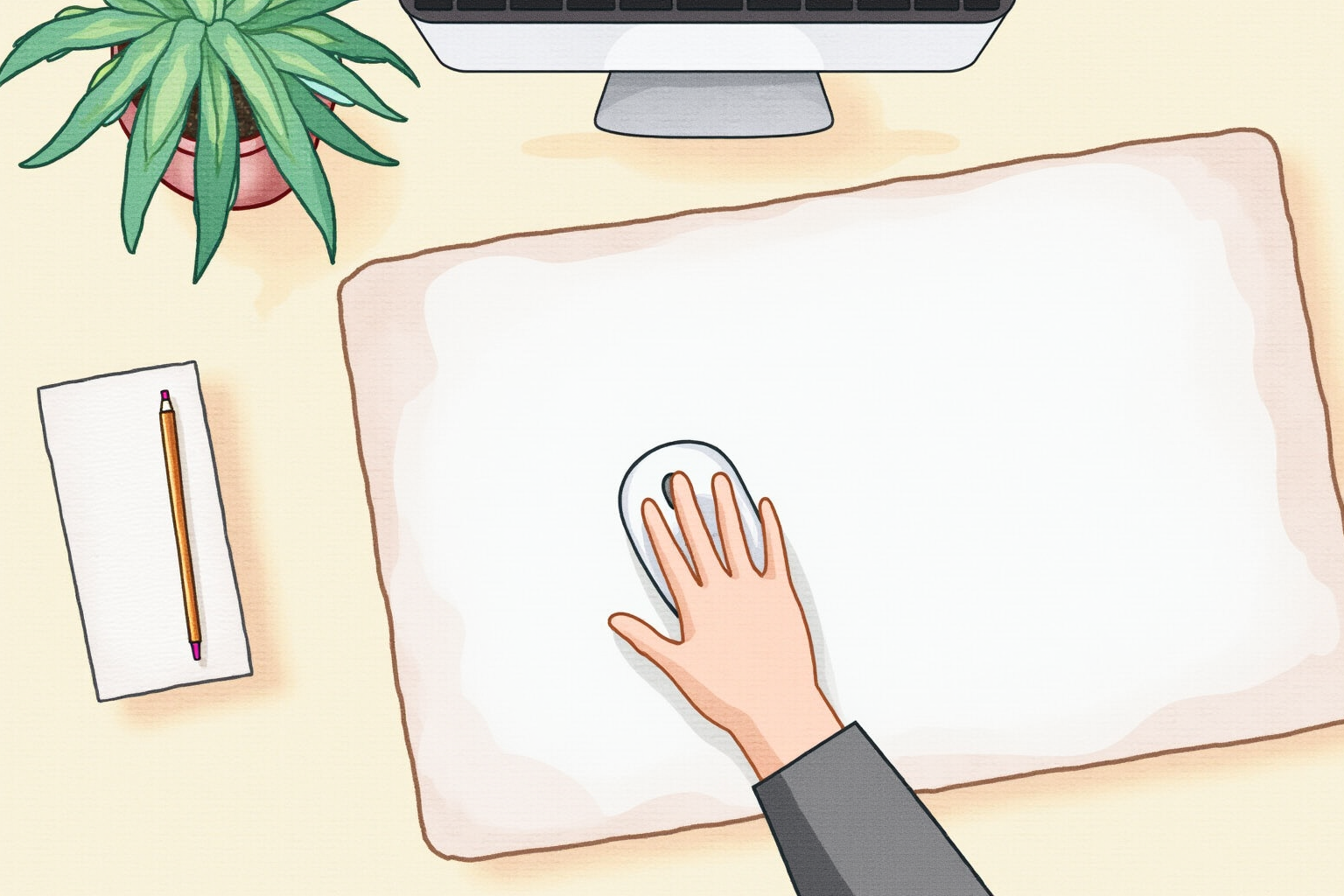
Functionally:
Mouse tracking: Any large mat eliminates need for separate mousepad. Mouse glides smoothly across full work surface.
Sound absorption: Soft mats reduce typing and click noise significantly. Especially relevant for mechanical keyboards.
Surface protection: Mat protects desk from scratches, coffee spills, pen marks.
Forearm comfort: Soft mat under wrists/forearms during typing. Reduces pressure points.
Aesthetic anchor: Unified visual base ties together monitor, keyboard, mouse, notebook.
For users who care about workspace setup: desk mat is one of the highest-impact $50-150 investments.
Material Comparison
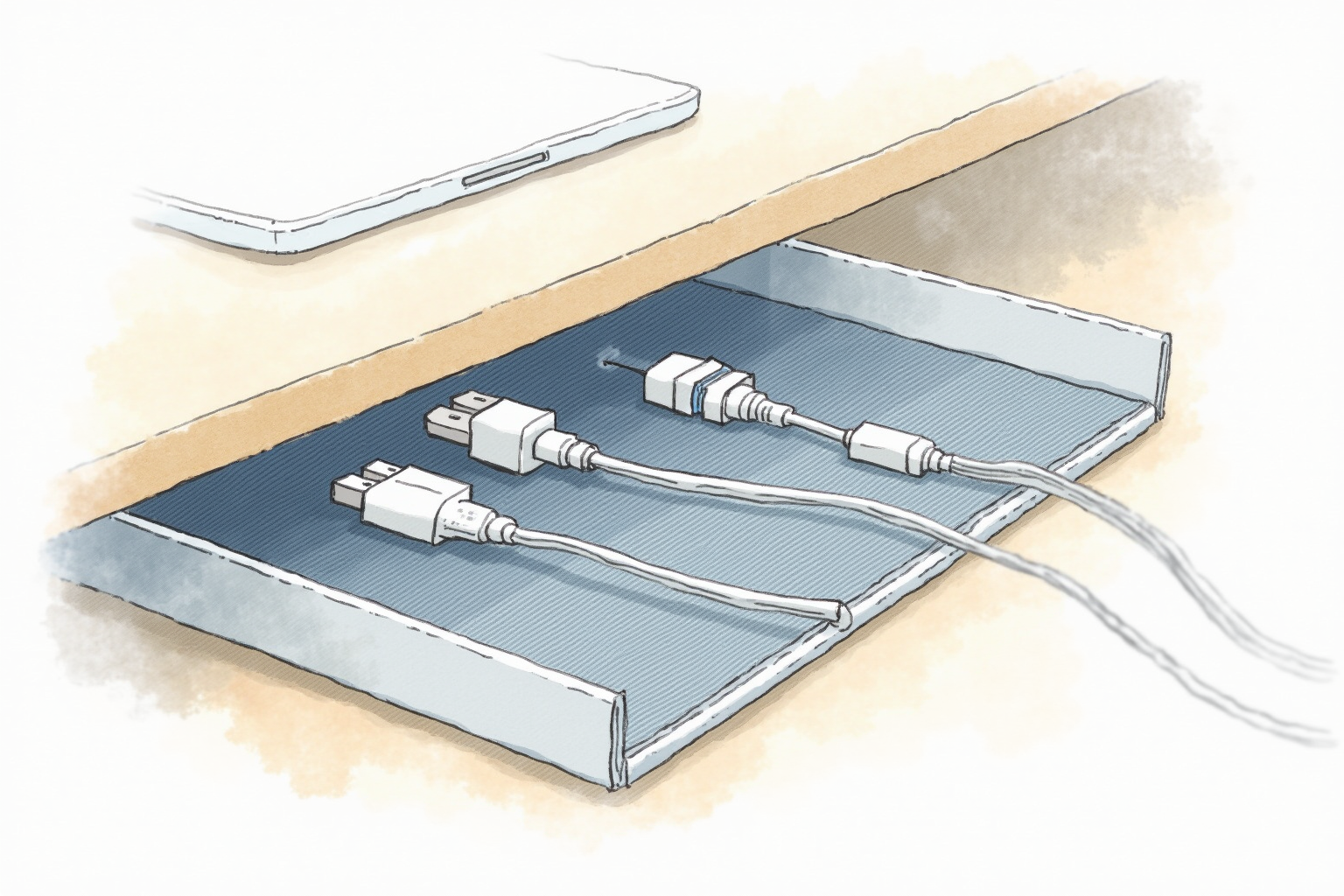
Leather (full-grain): Premium feel, develops patina over years, water-resistant. $80-200.
Vegan leather (PU): Affordable leather alternative. 2-3 year lifespan. $25-50.
Felt (wool): Soft, sound-absorbing, comfortable. Shows wear over time. $30-80.
Cork: Natural texture, sustainable, slightly slippery for mouse. $40-100.
Rubber/synthetic: Most affordable, excellent mouse tracking, vinyl feel. $25-60.
Each has clear strengths and weaknesses. Choose based on priorities.
Premium Leather Tier

Grovemade Leather Desk Pad ($179-249): Industry premium. Full-grain leather, handmade in Oregon. Develops beautiful patina. Lifetime durability with care.
Orbitkey Desk Mat ($89-129): Reversible PU/felt design. Less premium feel than Grovemade but more affordable.
LATIVE Genuine Leather ($60-100): Real full-grain leather at moderate price. Solid mid-tier option.
For users who appreciate craft objects and plan to keep mat 5-10+ years: Grovemade is the dominant pick. The cost-per-year for 10-year ownership is reasonable.
Grovemade Leather Desk Pad
Price · $179-249 — premium full-grain leather desk pad
+ Pros
- · Full-grain leather develops beautiful patina over years
- · Handmade in Oregon with durable lifetime construction
- · Premium aesthetic transforms workspace dramatically
− Cons
- · Highest price point in desk mat category
- · Requires leather care every 1-3 months
- · Only available in limited colors (tan, walnut, black)
Felt Mid-Tier

Felt mats prioritize comfort and sound absorption:
MyMaxBoyle Felt Desk Mat ($45-70): Soft 100% wool felt. Multiple sizes available.
HomeFeels Wool Desk Mat ($50-80): Premium wool, available in size up to 31x63 inches.
IKEA SUSIG Desk Pad ($25-30): Budget felt option. Adequate quality.
Felt advantages: softest surface for forearms, best sound absorption, warm visual aesthetic.
Felt disadvantages: shows wear marks (mouse drag, hand placement) over 6-12 months, harder to clean spills, picks up pet hair.
Cork Specialty
MikuKey Cork Desk Mat ($40-80): Natural cork surface, unique texture and aesthetic.
Cork is:
- Sustainable (harvested without harming trees)
- Sound-absorbing
- Natural-looking (warm tan/brown tones)
- Slightly slippery for mouse tracking
- Susceptible to indents from heavy items
For eco-conscious users or fans of natural textures: cork delivers unique aesthetic. Mouse tracking acceptable for most uses but inferior to leather or rubber surfaces.
Synthetic/Rubber Budget
Amazon Basics XL Mouse Pad ($25-35): Stitched edge, rubber base, microfiber surface. Functional.
Steelseries QcK XXL ($30-50): Gaming-focused but works for productivity. Excellent mouse tracking.
SatechiEco-Friendly Desk Mat ($35-50): PU vegan leather, looks like leather but synthetic.
For pure functionality at low cost: rubber/synthetic delivers 80% of premium experience at 30% of cost. Less premium feel but completely adequate.
Sizing Guide
Standard sizes:
Small (17x35 inch): Laptop + mouse area only. $25-60. Adequate for minimal setups.
Medium (23x48 inch): Keyboard + mouse + space for notebook. $40-130. Most popular size.
Large (31x63 inch): Covers most desk surface. $80-250. Premium feel, anchors workspace.
Extra Large (37x80 inch): For 60+ inch desks. $150-300. Premium installations.
Measure your desk first. Mat should cover keyboard + mouse + 6-12 inches breathing room. Wider is generally better.
Orbitkey Desk Mat 17 inch
Price · $89-129 — reversible PU/felt with magnetic accessories
+ Pros
- · Reversible PU leather one side, felt the other side
- · Magnetic dot accessory holds cables and keys in place
- · Compatible with Orbitkey accessories ecosystem
− Cons
- · PU leather less premium than full-grain leather alternatives
- · Magnetic dots add cost without much function for most users
- · Smaller sizes mean less workspace coverage
Mouse Tracking Performance
Tested with Logitech MX Master 3:
Leather: Excellent. Smooth, predictable. No tracking issues.
Rubber/synthetic: Excellent. Designed for mouse tracking.
Felt: Good. Slight resistance vs leather. Pet hair can occasionally interfere.
Cork: Acceptable. Slightly slippery, some tracking inconsistency on textured cork surfaces.
For competitive gaming: dedicated mouse pad (Steelseries QcK XXL or similar) outperforms desk mats. For productivity work: any of the above is adequate.
Edge Construction Matters
Three edge types:
Stitched edge: Most durable. Prevents fraying. Premium feel. Most leather and felt mats use this.
Heat-sealed edge: Common on rubber/synthetic mats. Adequate but less premium look.
Raw edge: Cork or some leather. Develops slight wear over years.
For mat lifetime: stitched edge significantly outlasts raw or heat-sealed alternatives.
Color and Aesthetic Choices
Popular colors:
Black: Goes with everything. Hides wear. Conservative office look.
Tan/brown leather: Warm, classic. Pairs with wooden desks.
Gray felt: Modern, minimalist. Popular with Scandinavian aesthetics.
Dark green: Trendy 2023-2024. Strong character without being loud.
Navy/dark blue: Subtle but warmer than black.
For neutral spaces matching most setups: black or tan leather. For statement: green or navy felt. For warmth: cork or natural-tone leather.
Maintenance Routines
Leather: Conditioner every 1-3 months. Wipe with damp cloth daily. Lifetime durability with proper care.
Felt: Vacuum or roll lint roller weekly. Spot-clean spills immediately. Wear marks develop in 6-12 months.
Cork: Wipe dry. Avoid water. Develops natural color variation over years.
Synthetic: Easiest. Wipe with damp cloth weekly. No special care.
For maintenance-averse users: synthetic or PU leather requires least effort. For users who enjoy artisanal care: full-grain leather rewards attention.
Common Pitfalls
Buying too small: 17x35 inch feels cramped after using larger mat. Buy at least 23x48 inch unless desk is tiny.
Choosing felt for messy users: Spills stain felt permanently. Coffee drinkers should consider leather or synthetic.
Cheap leather (under $40): Often PU leather called “vegan leather.” Lifespan 2-3 years vs 10+ for full-grain.
Curled corners: Cheap mats develop curled corners after months. Avoid mats without stitched edges.
Wrong-tone color: Bright or trendy colors look great Year 1, dated Year 3. Stick with neutral browns, blacks, grays.
Workspace Pairing
Match mat to surrounding elements:
Wooden desk: Tan or brown leather, cork. Warm pairs.
Black/dark desk: Black mat unifies. Or tan leather for contrast.
White/minimalist desk: Gray felt or muted leather.
Standing desk: Synthetic mat may be easier (less premium feel acceptable at elevated workspace).
Bottom Line — Pick Your Use Case
For premium aesthetic — Grovemade Leather Desk Pad at $179-249 is the dominant pick. Handmade quality, develops patina, lifetime durability with care.
For value mid-tier — Orbitkey Desk Mat at $89-129 or any quality felt mat. Excellent feel at moderate cost.
For sustainable choice — Cork desk mat at $40-100. Natural texture, eco-friendly, unique aesthetic.
For budget — Amazon Basics XL Mouse Pad at $25-35 or PU leather mat at $30-50. Functional but less premium.
For specific sizing — measure desk first. Buy 23x48 inch minimum, larger preferred. Don’t undersize.
Avoid: PU leather sold as “genuine leather” (fraud in some Amazon listings — check seller reviews), mats under $20 (curl and degrade in months), choosing felt for coffee-drinking users (permanent stains likely).